
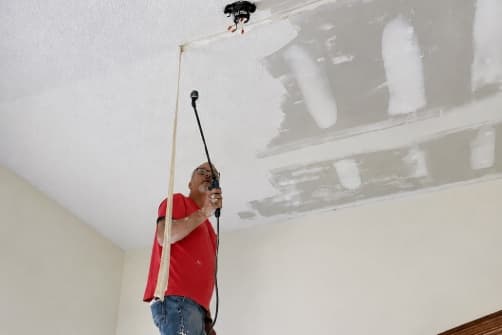
First, an honest wrinkle: the rules are local, not statewide
Missouri doesn't license general contractors at the state level, so the rules that matter live at the city and county level, and the KC metro is a quilt of them: Kansas City, Missouri has its own permit and trade-licensing rules, the Northland cities have theirs, and cross the state line into Johnson County, Kansas and you're under a different contractor licensing program entirely. The details differ, but the pattern holds everywhere: the trades that can burn your house down or flood it, plumbing, electrical, mechanical, and gas, require licensed professionals and often permits, while repair and finish work generally doesn't. This post speaks to that common pattern, not the fine print of any one city, so treat it as general information and check your own city's rules when a specific project is on the line.
Solidly handyman territory
The work that keeps a home running is fair game for an unlicensed pro, and it's most of what homes actually need: all carpentry and trim, drywall repair and finishing, tile repair and installation, interior doors and hardware, deck and fence repair, mounting and installs, weatherstripping, caulk, and fixture-level plumbing like flappers, fill valves, faucets, and disposals. Notice that's essentially Ken's services page, and that's not a coincidence. The business was scoped to the line on purpose.
Licensed territory, and why the line is where it is
New wiring, outlets, and panel work. Water heaters. Gas lines and gas appliance hookups. Supply plumbing behind walls. HVAC. Structural changes to your home. The pattern behind the list: this is the work where a mistake doesn't look like a crooked shelf, it looks like a fire, a flood, carbon monoxide, or a collapse, sometimes years later. Licensing exists because the consequences are invisible until they aren't, and permits exist so a second set of trained eyes inspects the work. It's not bureaucracy for its own sake. Ken spent thirty years as the superintendent whose job was making sure work passed those inspections, which is why he treats the line as a feature, not an obstacle.
What unlicensed trade work actually costs you
The cheap quote for under-the-table electrical carries costs that don't show up on the invoice. Insurance: if unpermitted work causes damage, your homeowners policy can fight the claim, and now the savings are gone a hundred times over. Resale: inspectors flag unpermitted work, buyers demand it be redone or credited, and your closing slows down, which is exactly why realtors care so much about this. Safety: the obvious one. And leverage: when a job was illegal to begin with, you have little recourse when it fails. The guy who offered the shortcut isn't there when the ceiling stain appears.
The questions that protect you, whoever you hire
Ask any handyman these four, Ken included. One: are you insured, and can I see proof? General liability insurance is the baseline of a real business. Two: what won't you do? A pro has a fast, specific answer, and a shrug is a red flag. Three: will this job need a permit? For repair work the honest answer is usually no, and for trade work the honest answer names the licensed pro who'll pull it. Four: what happens if something goes wrong? Listen for a plan, not a promise. The pattern you're testing for is simple: pros know their edges. It's the guys who claim they do everything who end up doing several things badly, one of them possibly to your electrical panel.
How Ken handles jobs that cross the line
Real lists mix, and that's fine. Bring Ken a punch list with an outlet on it and here's what happens: he does everything in his lane, tells you plainly which items belong to a licensed electrician or plumber, and helps you sequence it so the licensed work happens first and his finish work covers the scars after. You get one honest quarterback instead of five contractors pointing at each other, and nothing done to your home that an inspector, an insurer, or a future buyer will punish you for. That's the whole philosophy, and it's on every page of this site because it's how he ran job sites for three decades.